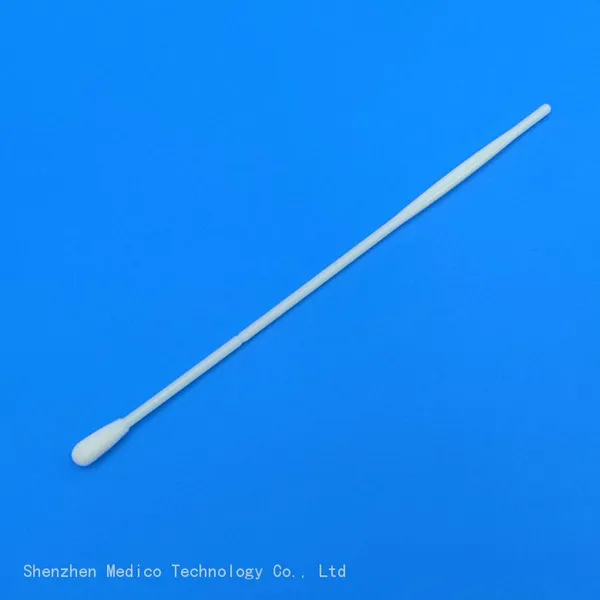
 Business License

9 Types of Specimen Collection
When it comes to medical diagnostics, accurate specimen collection is crucial. Different types of specimens provide various insights into a patient’s health. Here, we explore the primary types of specimen collection, including blood specimen, stool specimen, urine specimen, respiratory specimen, CSF and other fluids, wound specimen, genital specimen, ear specimen, and conjunctival specimen.
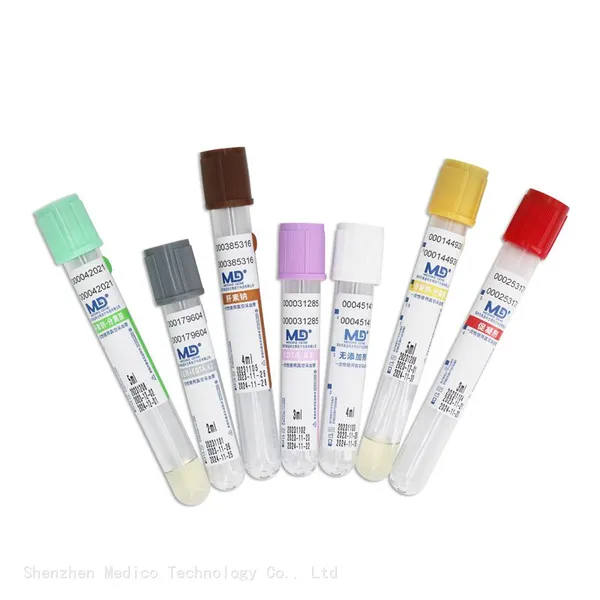
1. Blood Specimen CollectionBlood specimen collection is one of the most common procedures in medical diagnostics. It involves drawing blood from a vein, typically using a needle and syringe. Blood tests can reveal a wealth of information about a patient’s health, including infections, organ function, and genetic conditions. Click here for blood specimen collection tube information
2. Stool Specimen CollectionA stool specimen collection is vital for diagnosing gastrointestinal diseases, infections, and parasites. Patients are usually provided with a sterile container(stool collection cup) to collect a small sample of their feces, which is then analyzed in a laboratory.
3. Urine Specimen CollectionUrine specimen collection is essential for detecting urinary tract infections, kidney diseases, and metabolic disorders. There are various methods, including the midstream clean-catch technique, 24-hour urine collection, and catheterization, depending on the diagnostic requirement.
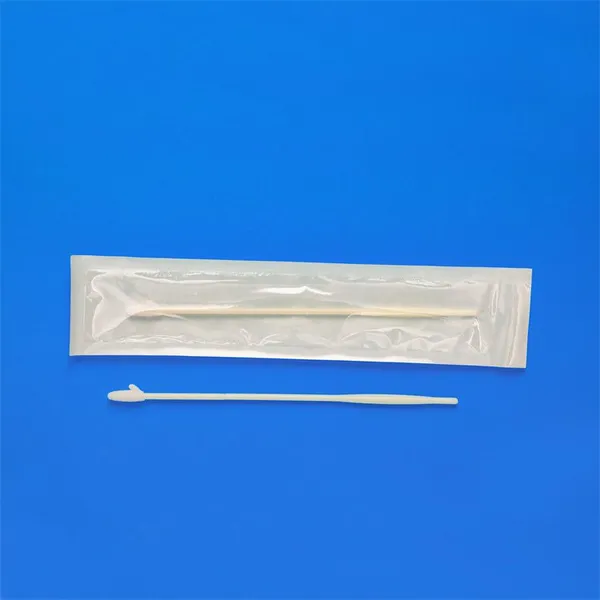
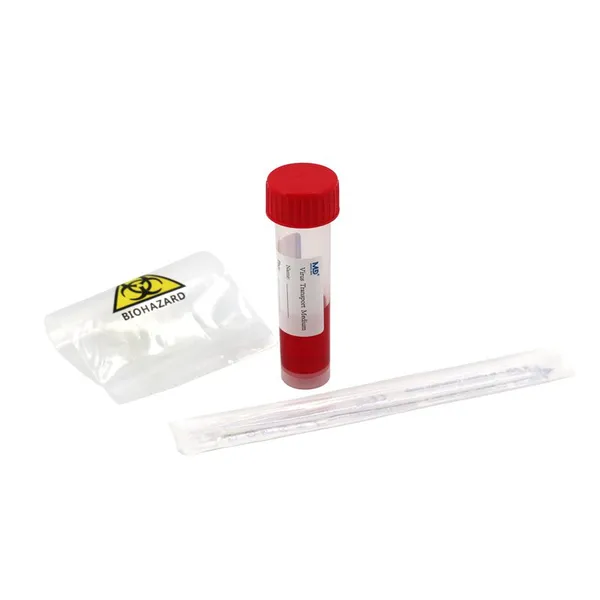
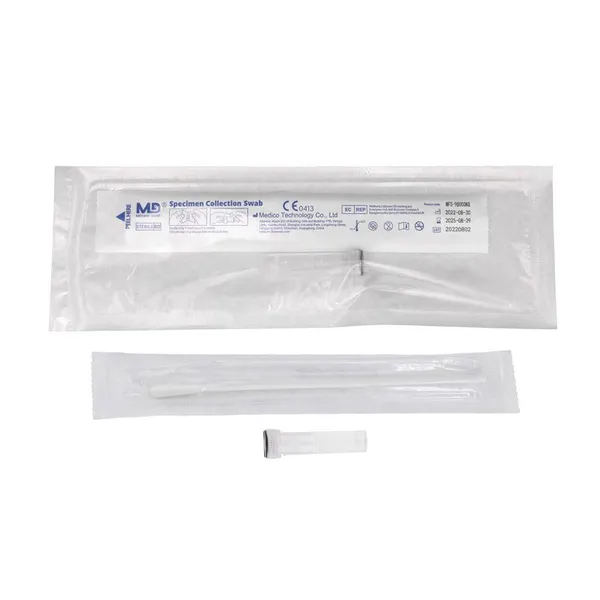
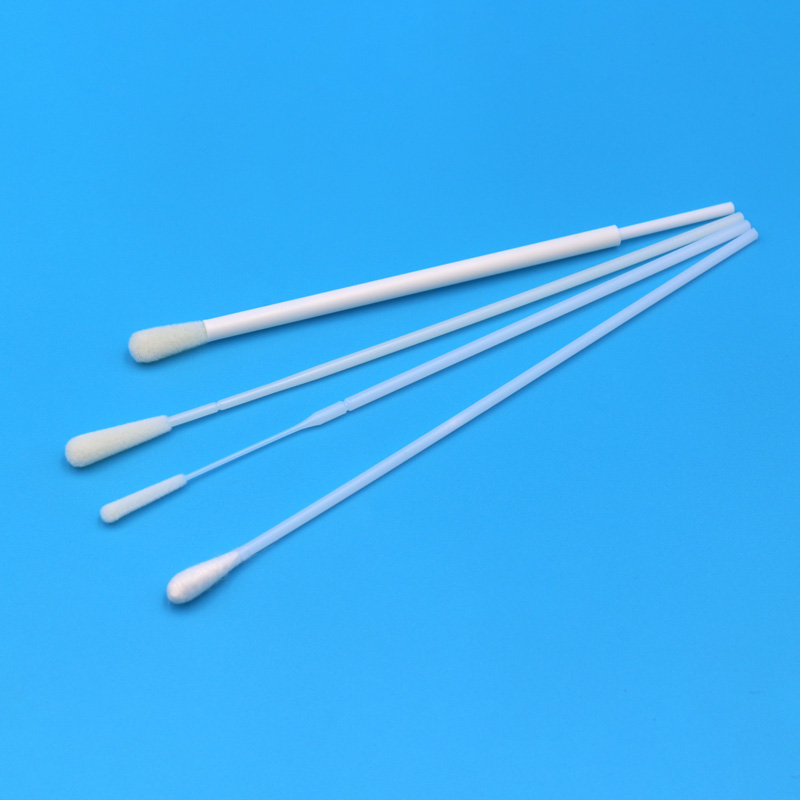
4. Respiratory Specimen CollectionRespiratory specimens are collected to diagnose infections in the lungs and airways. Samples can be obtained through methods such as sputum collection, throat swabs, and nasopharyngeal swabs. These specimens are crucial for identifying pathogens like bacteria and viruses.
5. CSF and Other Fluids CollectionCerebrospinal fluid (CSF) and other body fluids like pleural, peritoneal, and synovial fluids are collected to diagnose infections, neurological disorders, and other conditions. The collection of these fluids typically involves a lumbar puncture or aspiration from the respective body cavity.
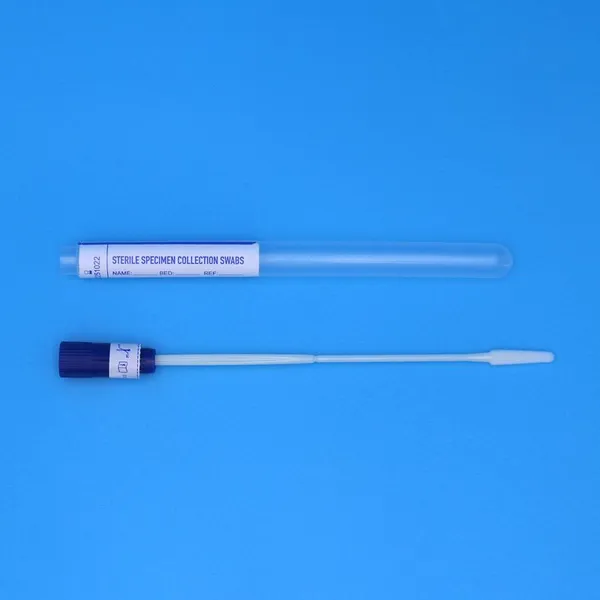
6. Wound Specimen CollectionWound specimen collection helps diagnose infections in open wounds, surgical sites, or ulcers. Swabs of the wound site are taken and cultured to identify the causative organisms and determine appropriate treatment.
7. Genital Specimen CollectionGenital specimen collection is primarily used for diagnosing sexually transmitted infections (STIs). Samples can include swabs from the cervix, vagina, urethra, or lesions. These specimens help in identifying pathogens like bacteria, viruses, and fungi.
8. Ear Specimen CollectionEar specimens are collected to diagnose infections in the ear canal or middle ear. This typically involves swabbing the affected area. Accurate collection is critical for identifying the causative agents and guiding treatment.
9. Conjunctival Specimen CollectionConjunctival specimens are collected to diagnose infections or inflammations of the eye, such as conjunctivitis. The procedure typically involves swabbing the conjunctival surface.
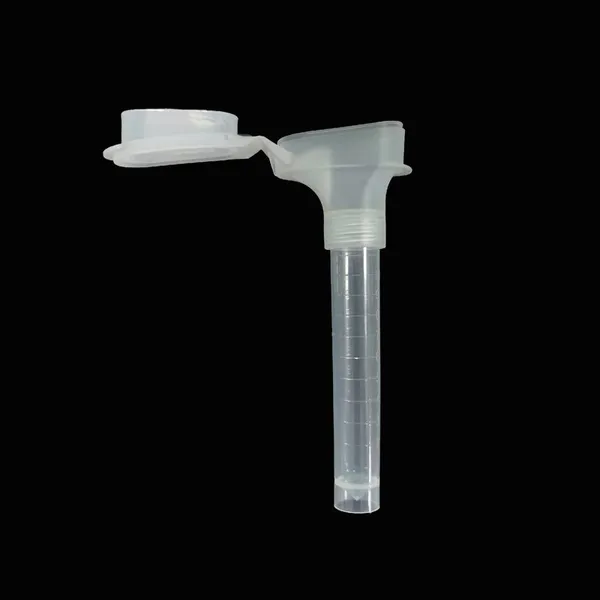
Here at MEIDIKE GENE, we have specimen collection swabs and test kits for just about any application including those mentioned above. To see how we can offer a customized solution for your specific needs, contact us today
Recently Posted
-
MEIDIKE GENE Saliva Collection Kit: A Reliable Solution for DNA & RNA Sample Collection
April 1, 2026The MEIDIKE GENE Saliva Collection Kit is designed to offer a safe, convenient, and contamination-free method for collec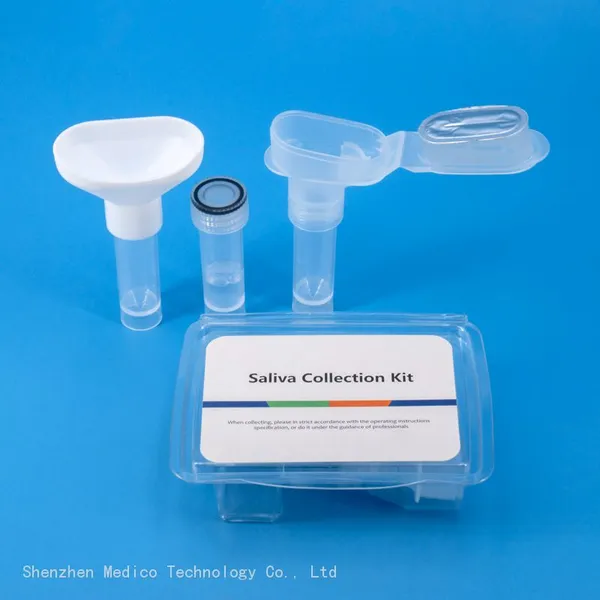 Read More
 -
Nasal Mid-Turbinate Specimen Collection: Step-by-Step Guide
March 25, 2026Nasal mid-turbinate (NMT) specimen collection is a standardized method for obtaining upper respiratory samples for diagnostic test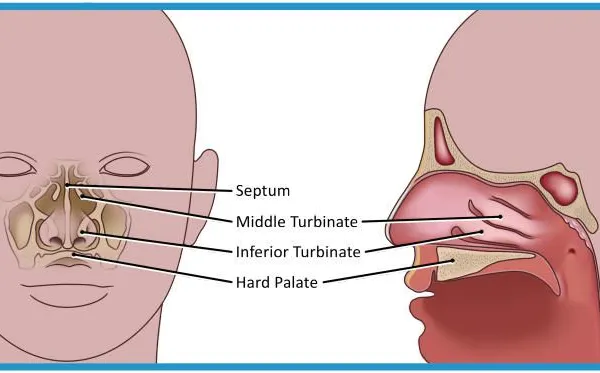 Read More
 -
How to Use a Viral Transport Medium (VTM) Kits for Sample Collection
March 25, 2026MEIDIKE GENE VTM KitViral Transport Medium (VTM) kits are essential tools for safely collecting, storing, and transporting biologi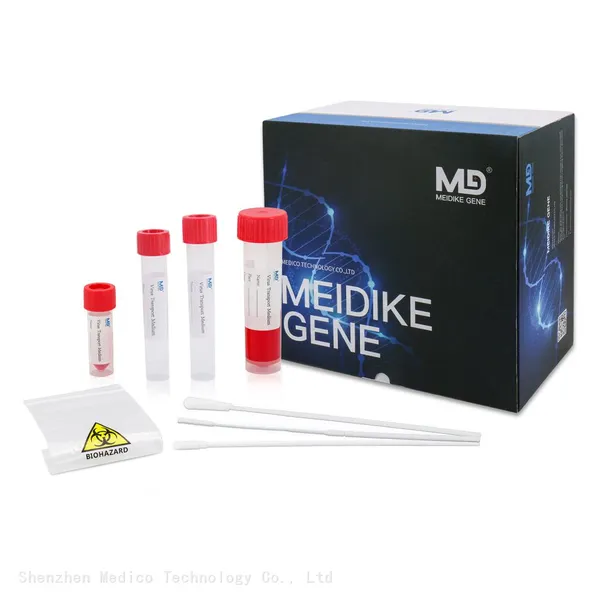 Read More
 -
Frequently Asked Questions About Cervical Cancer Screening
March 23, 2026Cervical cancer is one of the most preventable types of cancer when detected early through regular screening. Tests such as the&nb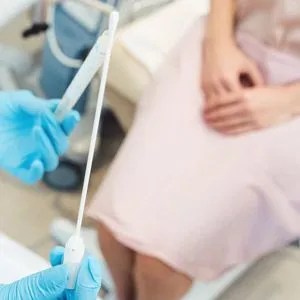 Read More

Contact Us
Recommended Products
-
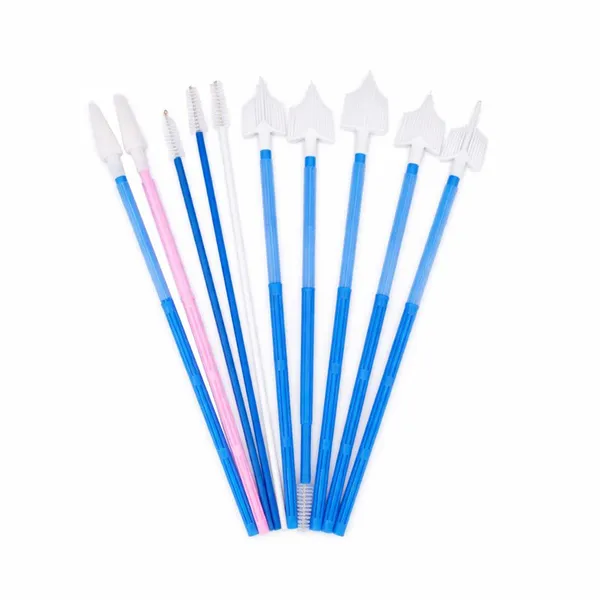
 Disposable Medical Sterile Cervical Cell Collector Brush for Gynecological ExaminationNegotiableMOQ: 1000 Pieces
 -
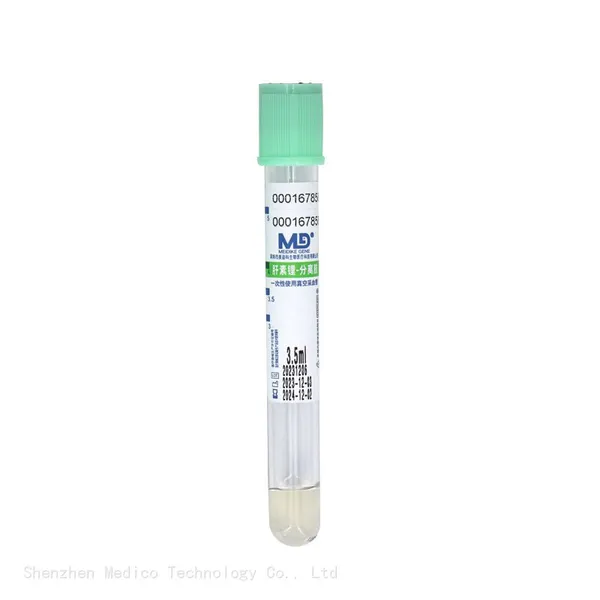
Gel & Lithium Heparin Tube Disposable Vacuum Plasma Blood Collection Tube With Light Green CapNegotiableMOQ: 1000 Pieces
-
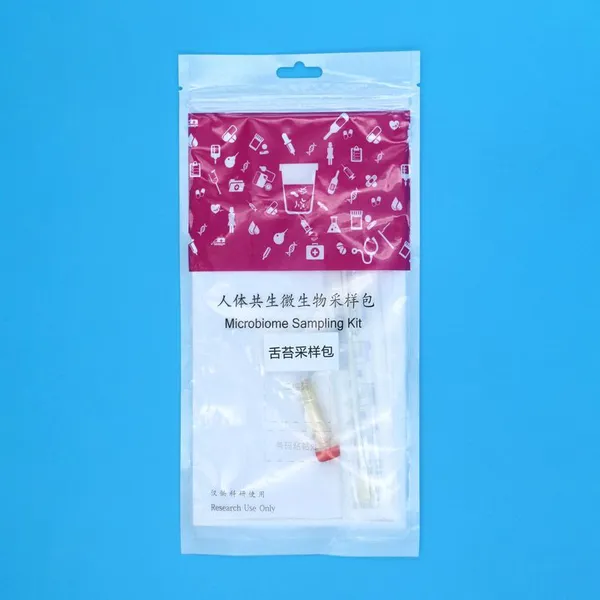
Tongue Microbiome DNA and RNA Self-Collection KitNegotiableMOQ: 500 Packs
-
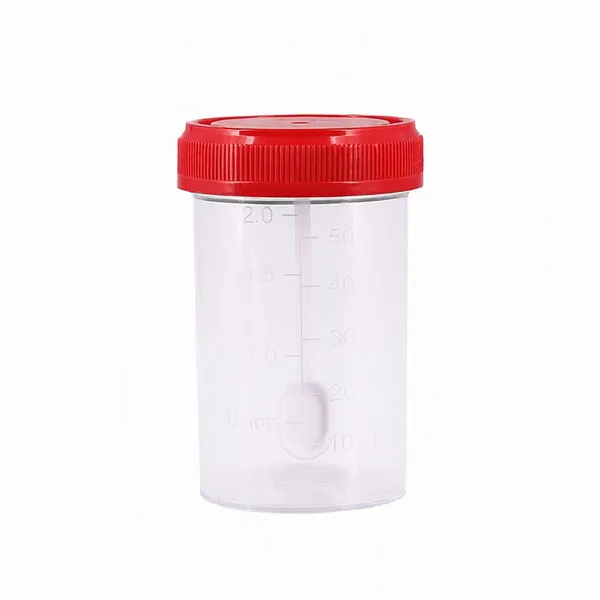
Integrated Sampling Spoon 60ml Stool Collection Cup for Microbiology and Parasitology TestingNegotiableMOQ: 1000 Pieces
-
Factory Wholesale Disposable Virus Sampling VTM Kits With Nasopharyngeal or Oropharyngeal SwabsNegotiableMOQ: 500 Pieces
-
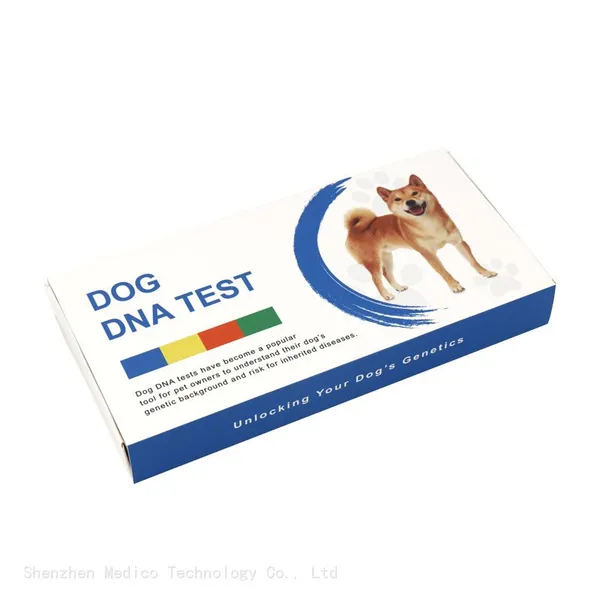
Factory Wholesale Pet Dog DNA Testing Kits for Breed ID Test and Genetic Health ScreeningNegotiableMOQ: 500 Boxes
-
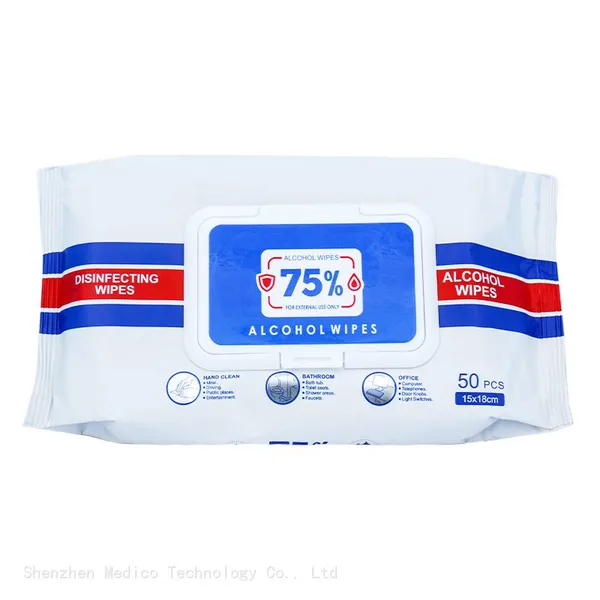
Multipurpose Disposable Non-woven 75% Alcohol Sanitizing Wipes BaggedNegotiableMOQ: 1000 Bags
-
Disposable Medical Sterile Nylon Flocked Vaginal Sampling Swab for HPV TestingNegotiableMOQ: 1000 Pieces
-
Buccal Sample Collection Disposable Sterile Nylon Flocked Oropharyngeal Swab With 30mm BreakpointUS$ 0.05 - 0.1MOQ: 100 Pieces
-
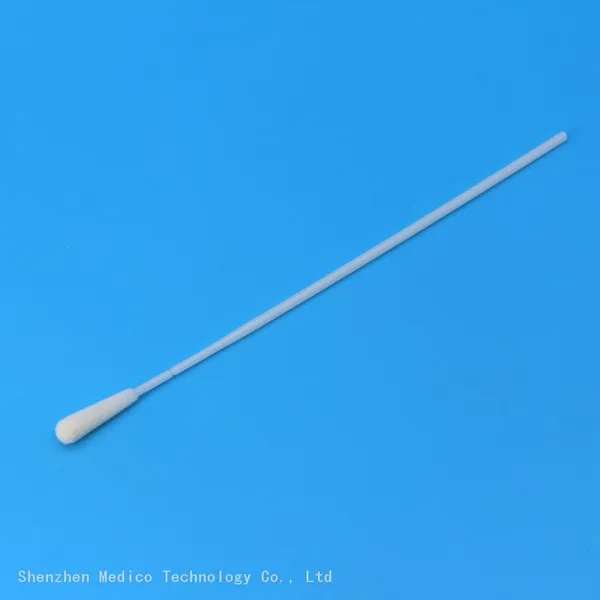
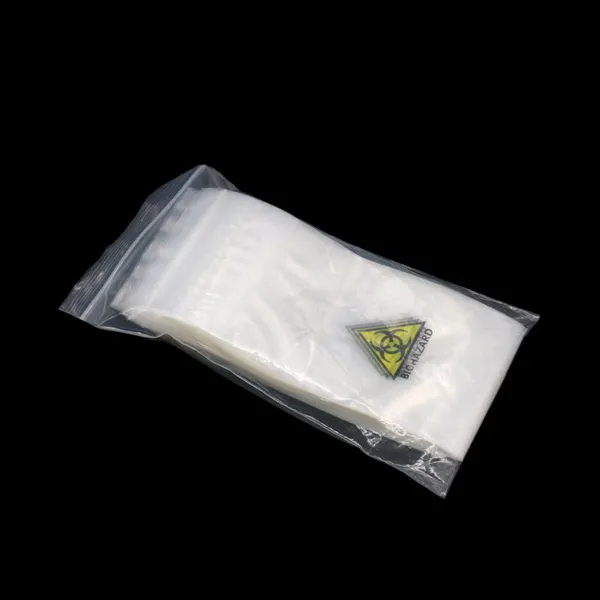
Biohazard Specimen Transport Bags for Sample Tubes, Centrifuge Tubes, and Blood Collection TubesNegotiableMOQ: 1000 Pieces
-
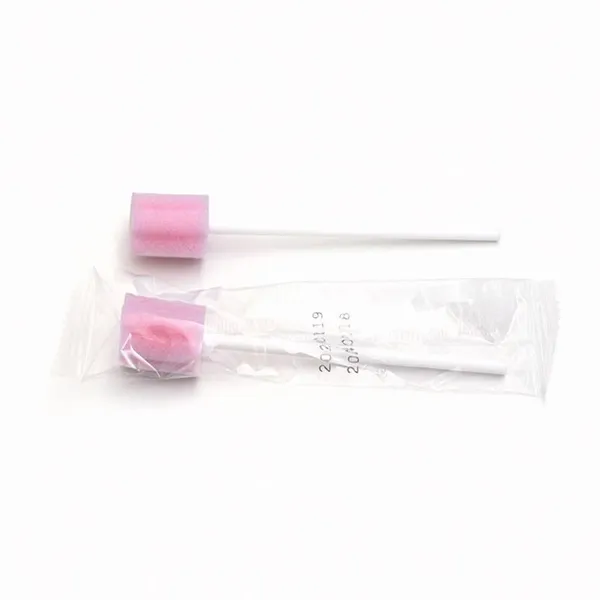
Pink Oral Care Sponge Swab for Bed-Bound, Elderly, Disabled, Post-Operative, And Icu PatientsNegotiableMOQ: 1000 Packs
-
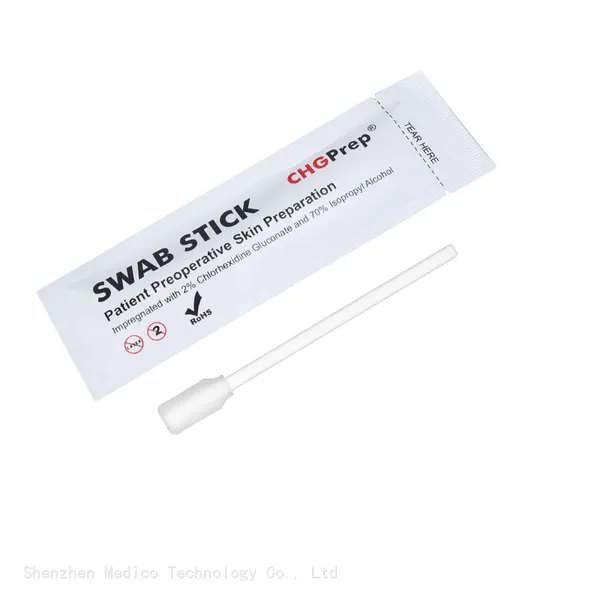
CHG Chlorhexidine Gluconate Medical Disinfectant Swab Stick With Rectangular HeadUS$ 0.1 - 0.25MOQ: 1000 Pieces
-
Medical Disposable Vacuum Blood Collection Tube for Clinical Haematology TestNegotiableMOQ: 1000 Pieces
-
Disposable Medical Sterile Nylon Flocked Swab for Adenovirus Specimen CollectionUS$ 0.05 - 0.1MOQ: 100 Pieces
-
Disposable Sterile Nylon Flocked Cervical Sample Collection Swab With TubeNegotiableMOQ: 1000 Pieces
-
Disposable Sterile Nylon Flocked Vaginal Sampling Swab for HPV Specimen CollectionNegotiableMOQ: 1000 Pieces
-
Non Inactivated Type Virus Transport Medium Tube 30ml VTM Kit With Sterile Sampling SwabsNegotiableMOQ: 200 Boxes
-
DNA Sample Collection Genetic Testing Kits With Nylon Flocked Oropharyngeal SwabNegotiableMOQ: 1000 Pieces
-
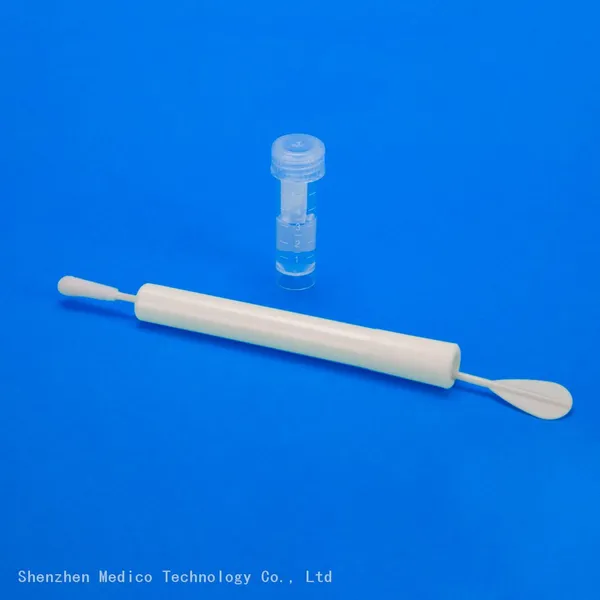
Integrative Type 10ml Saliva Collection Funnel Kit for DNA and RNA Sample CollectionNegotiableMOQ: 1000 Pieces
-
Female Vaginal Specimen Collection Sterile Nylon Flocked Swabs for HPV TestingUS$ 0.05 - 0.1MOQ: 100 Pieces